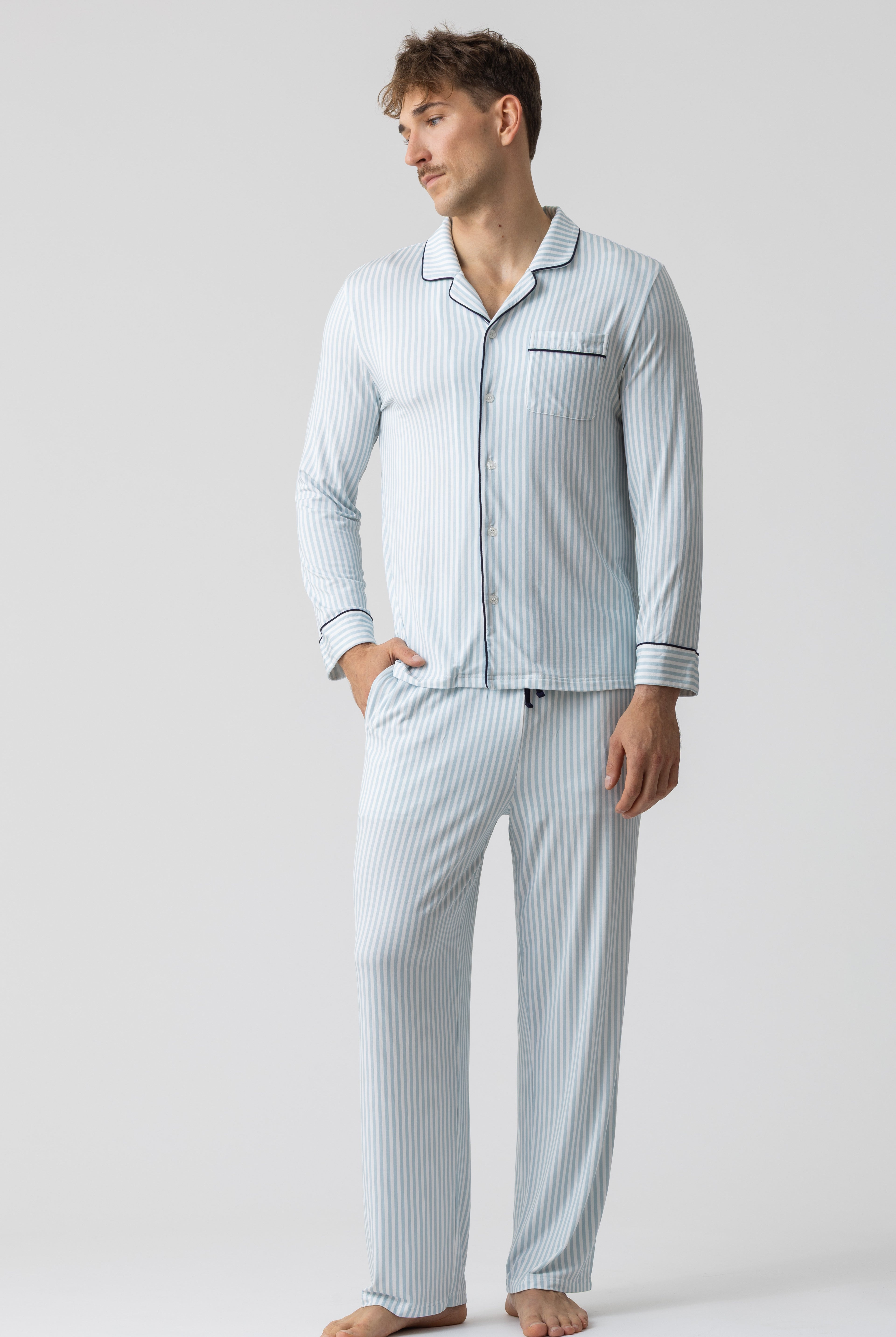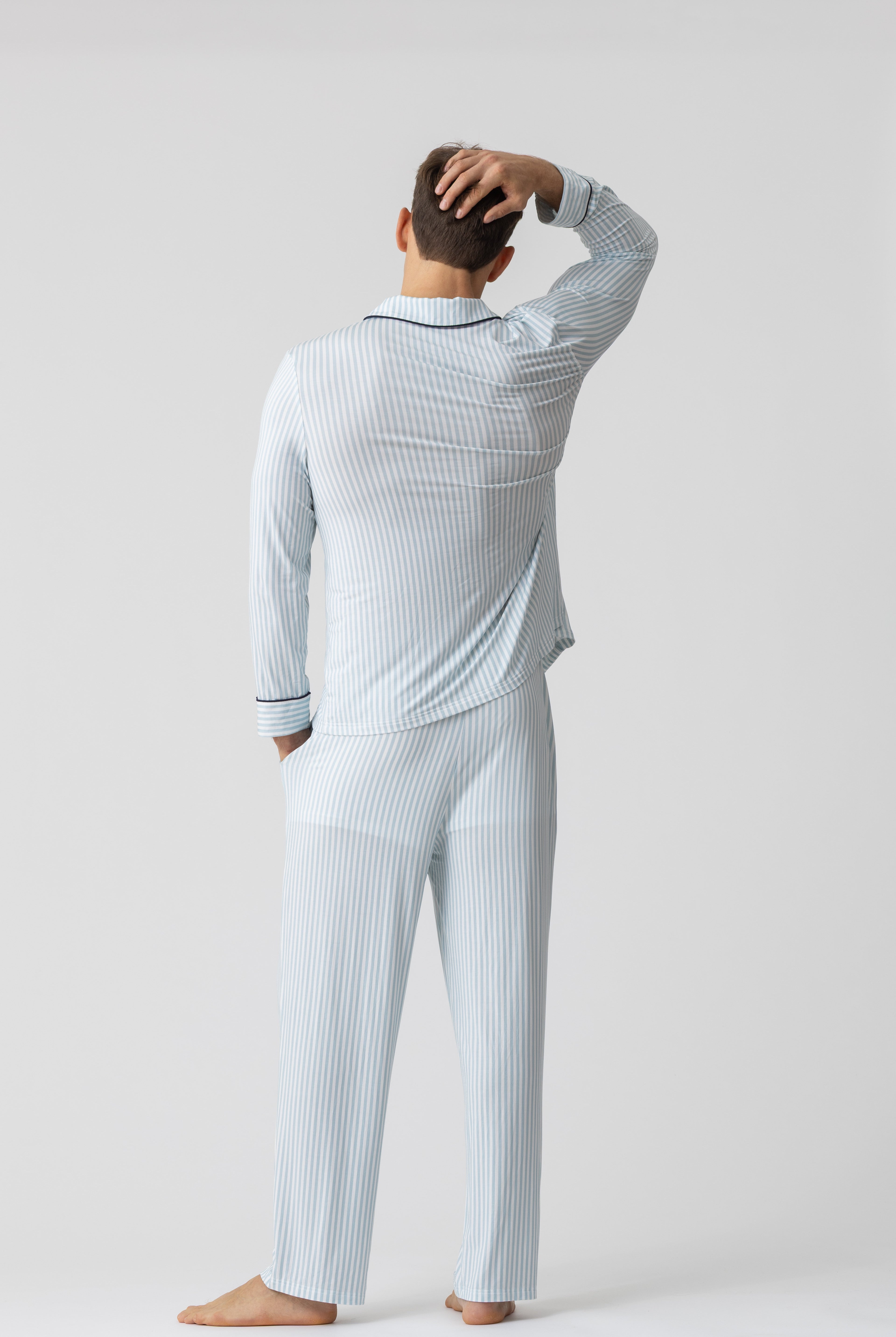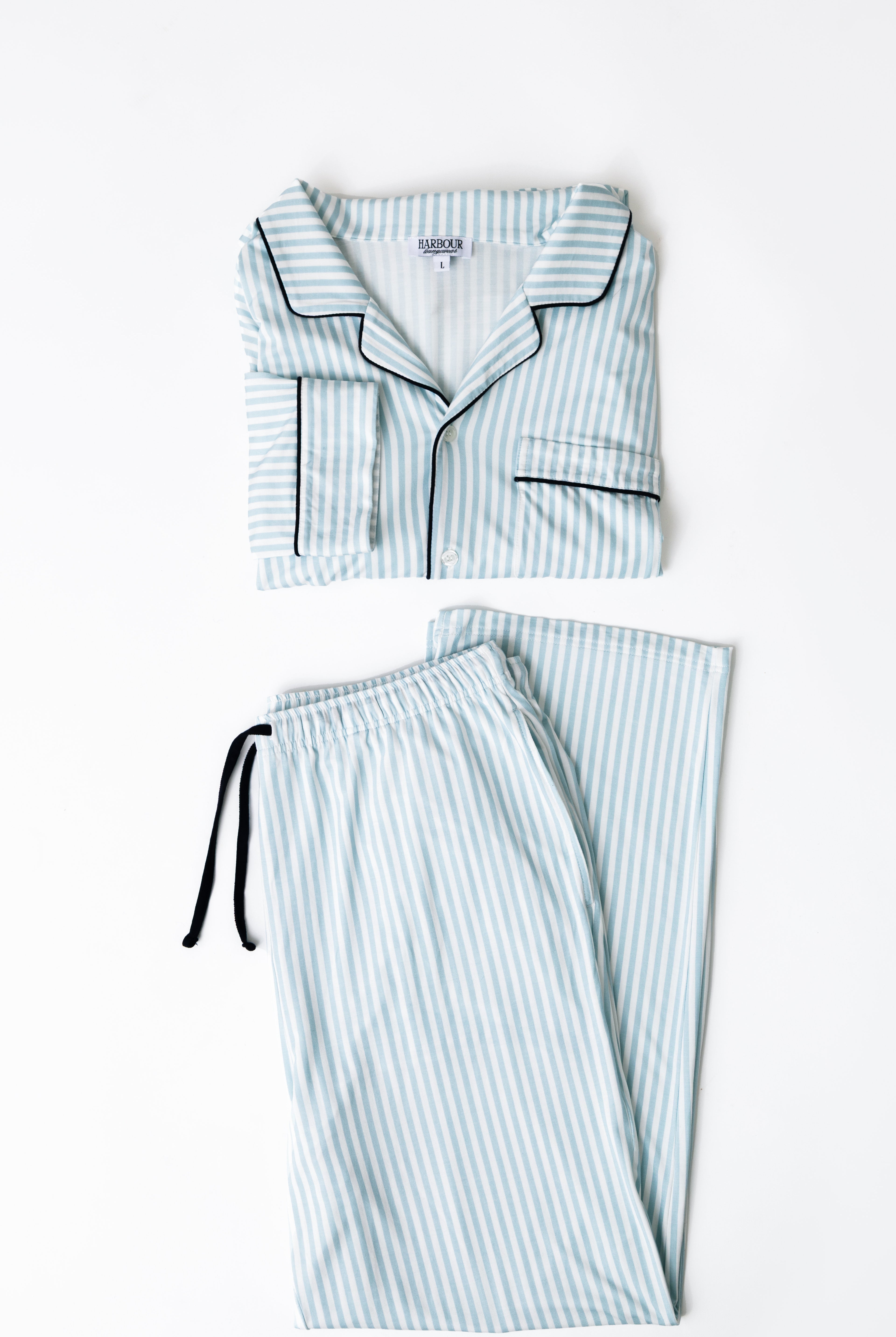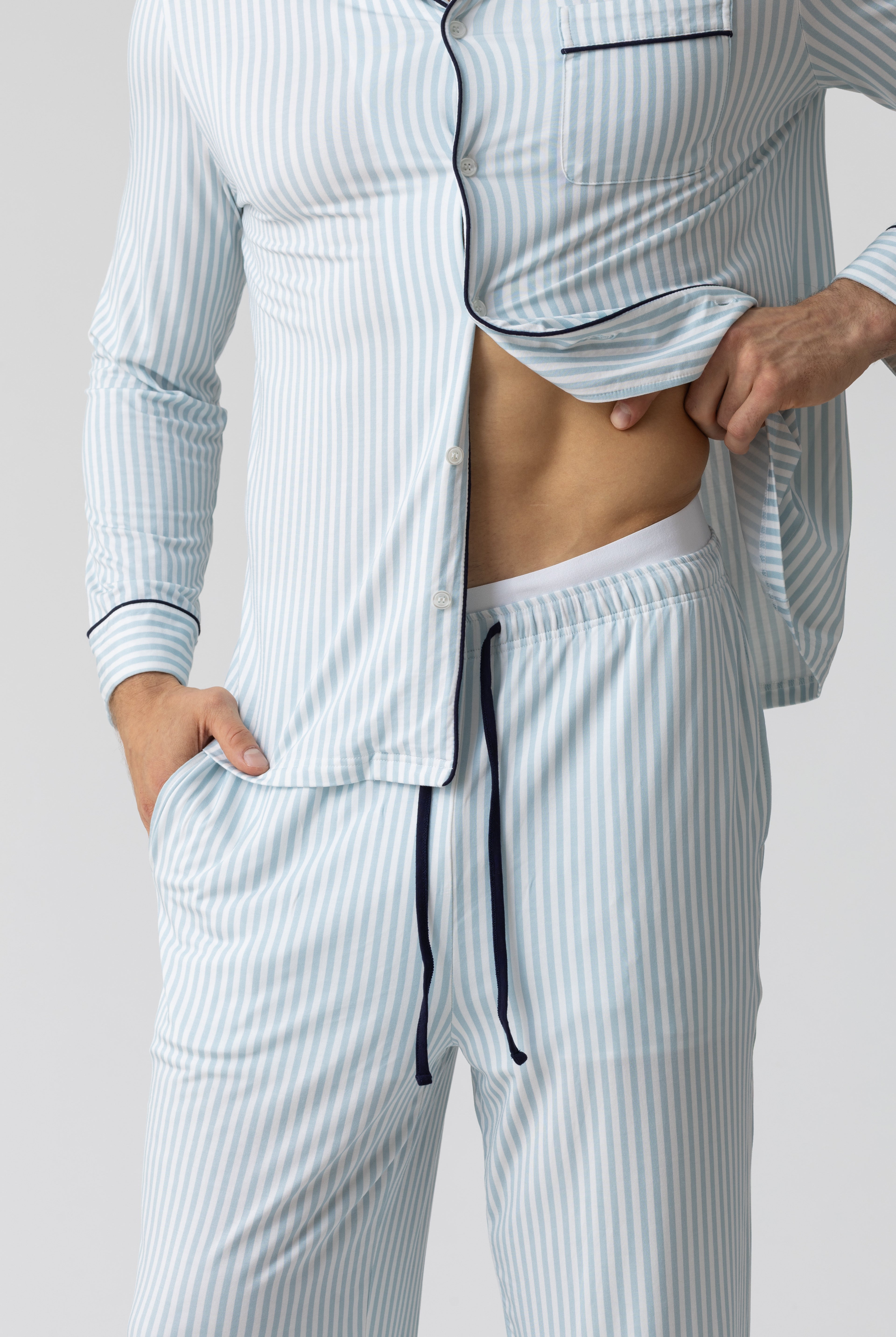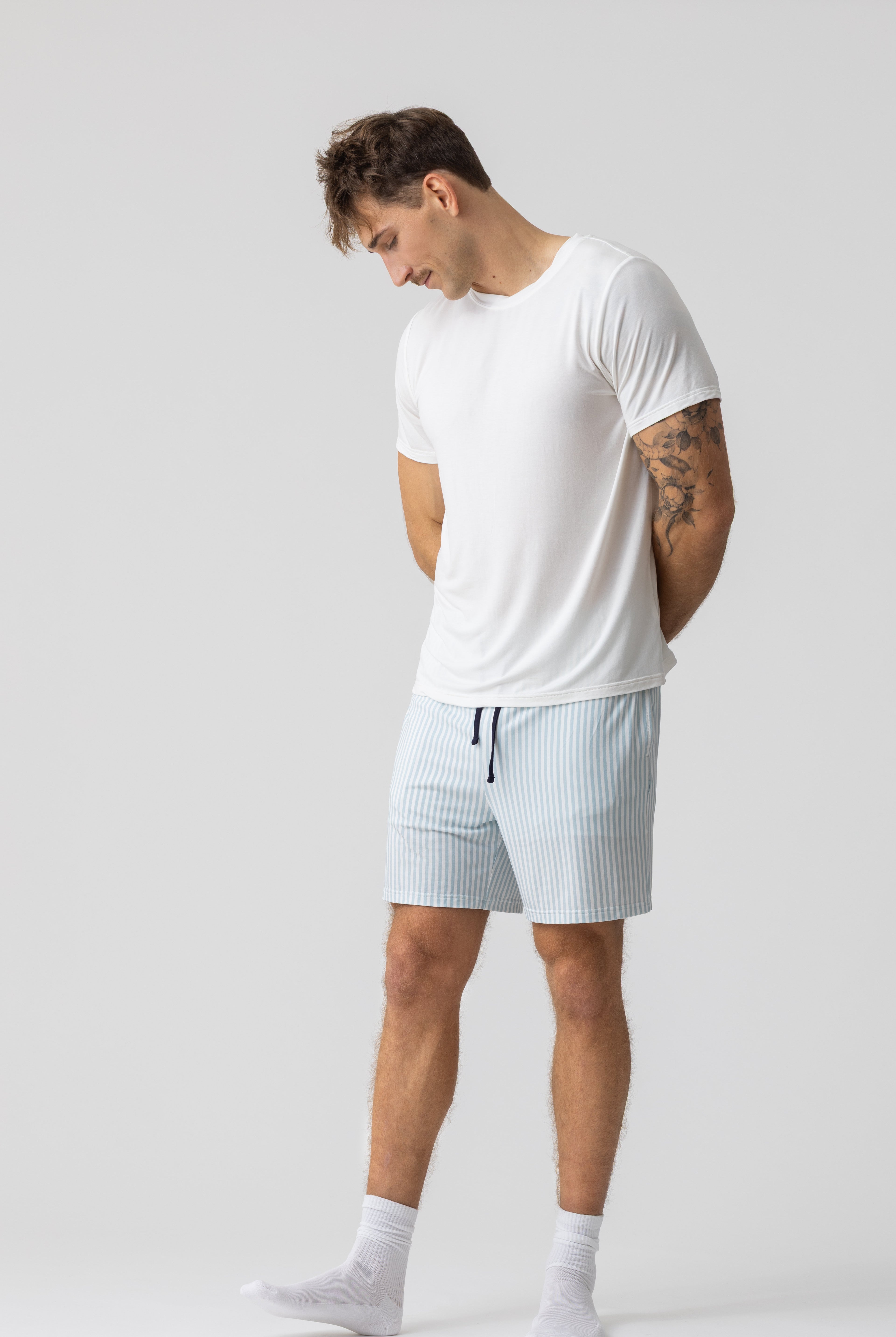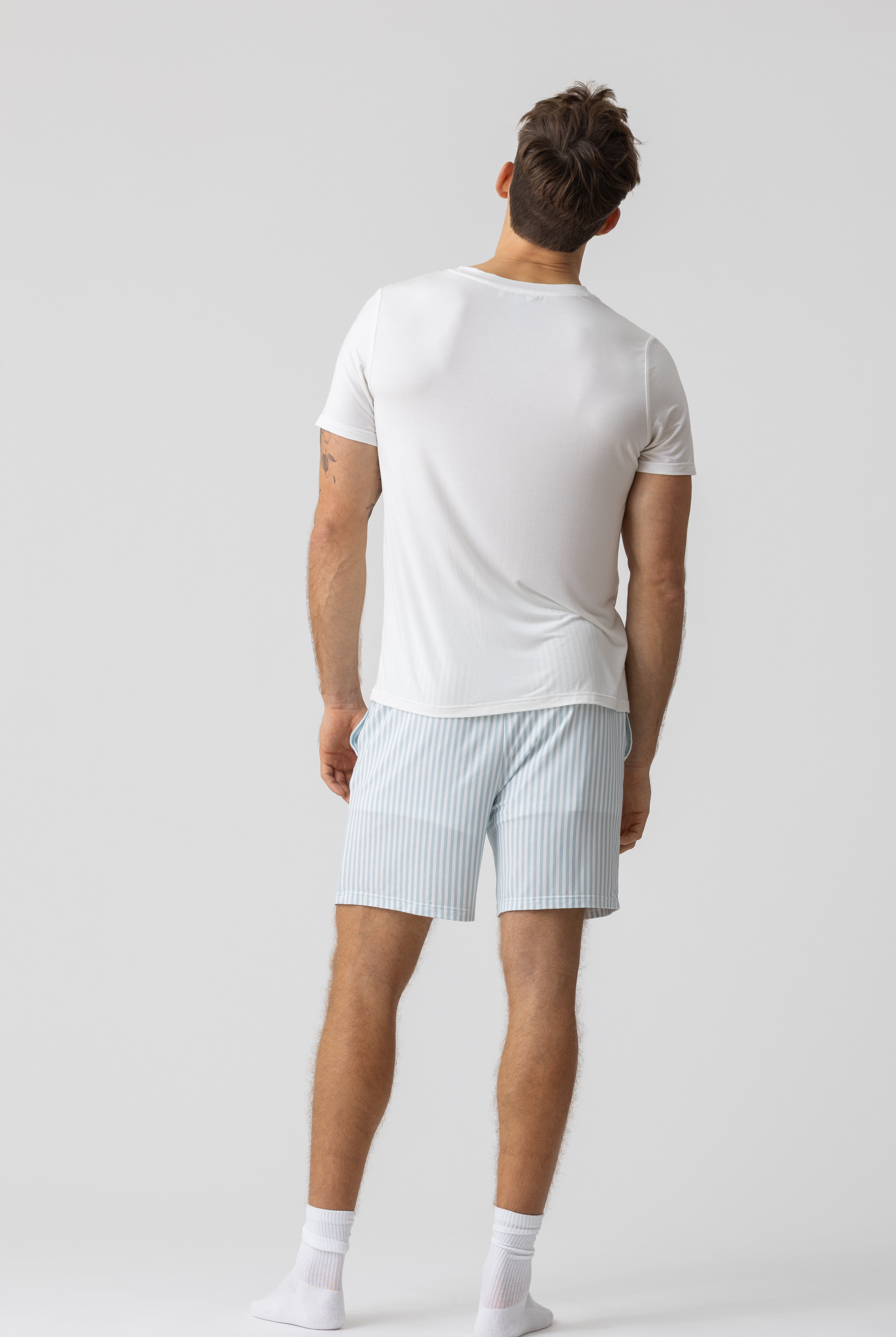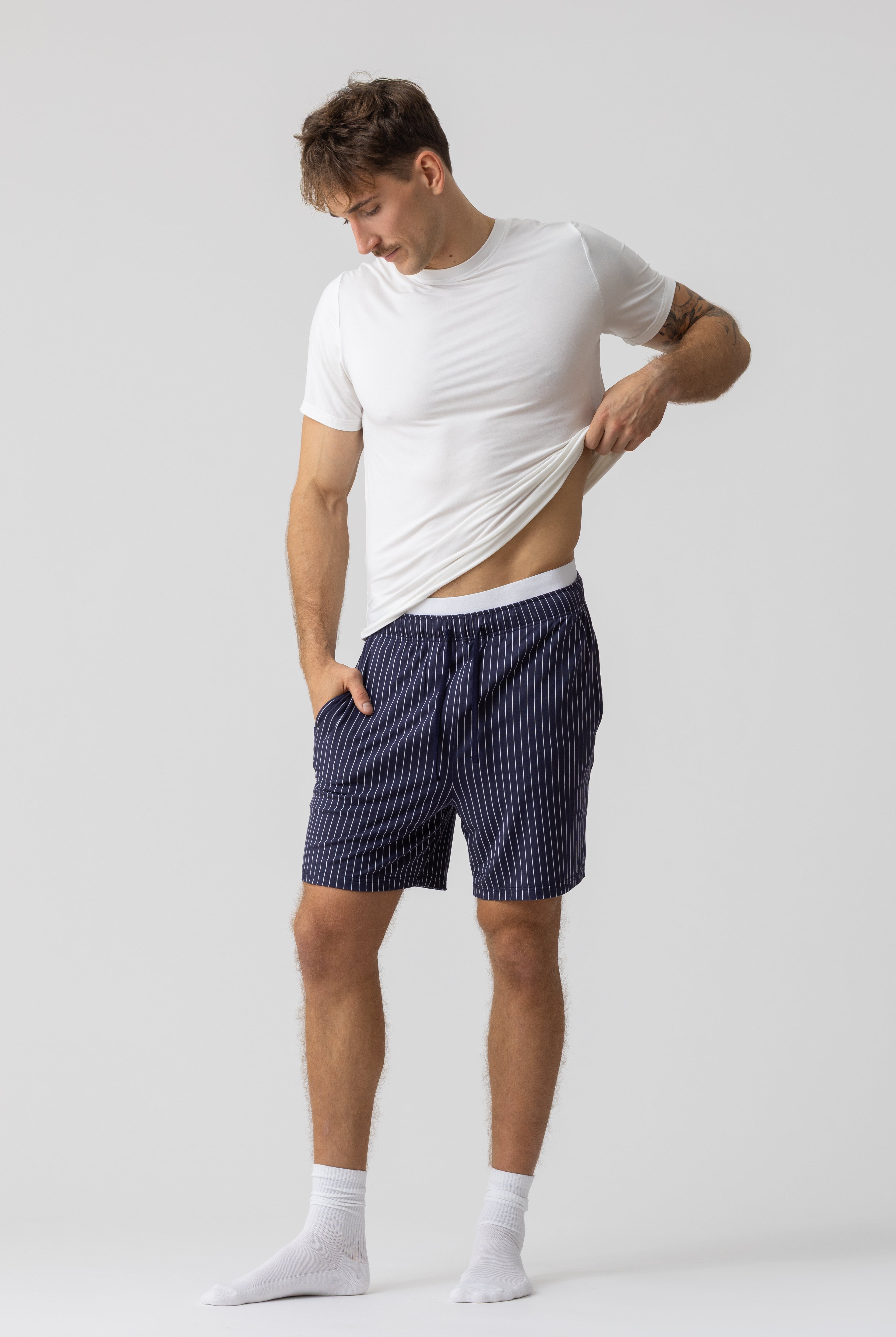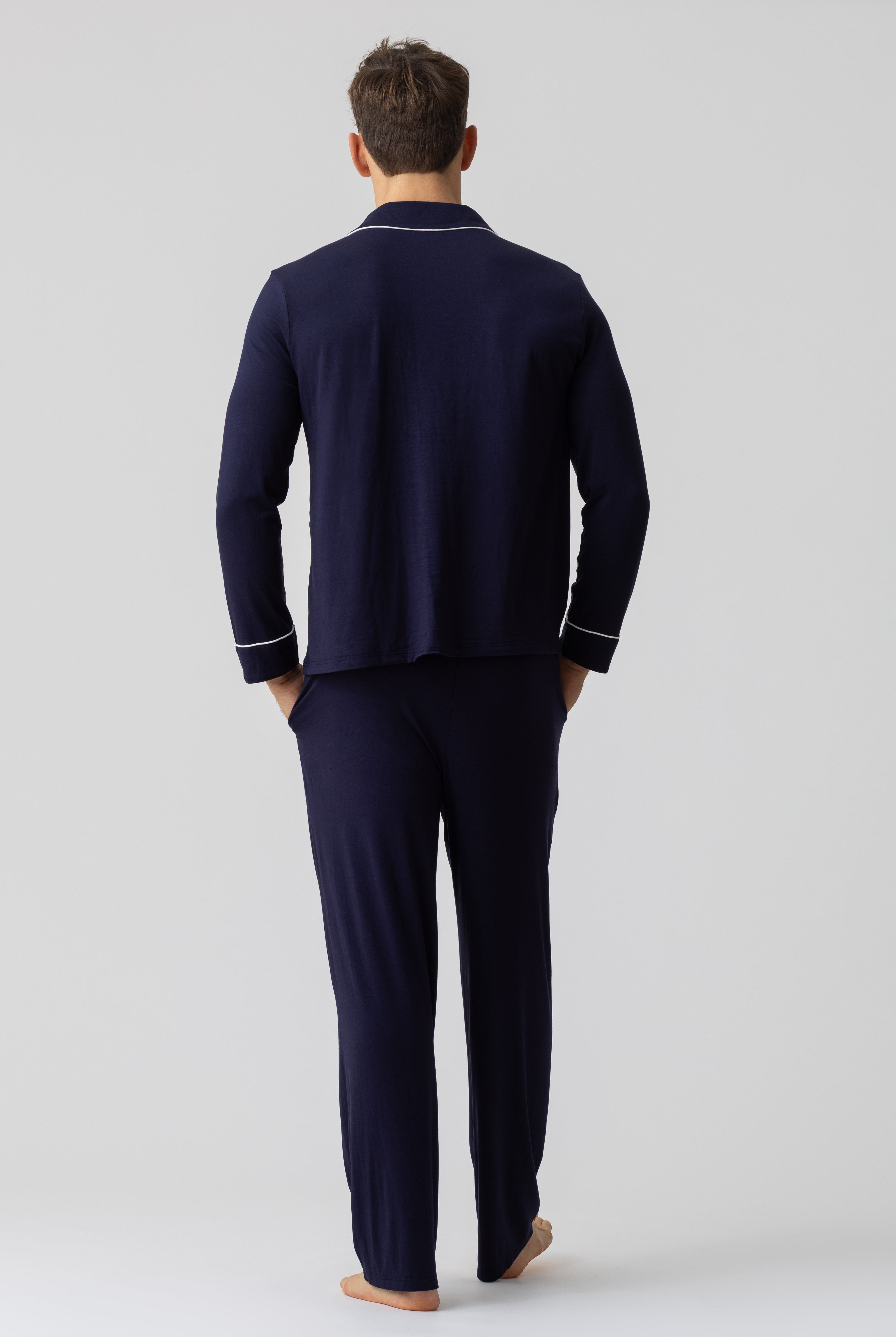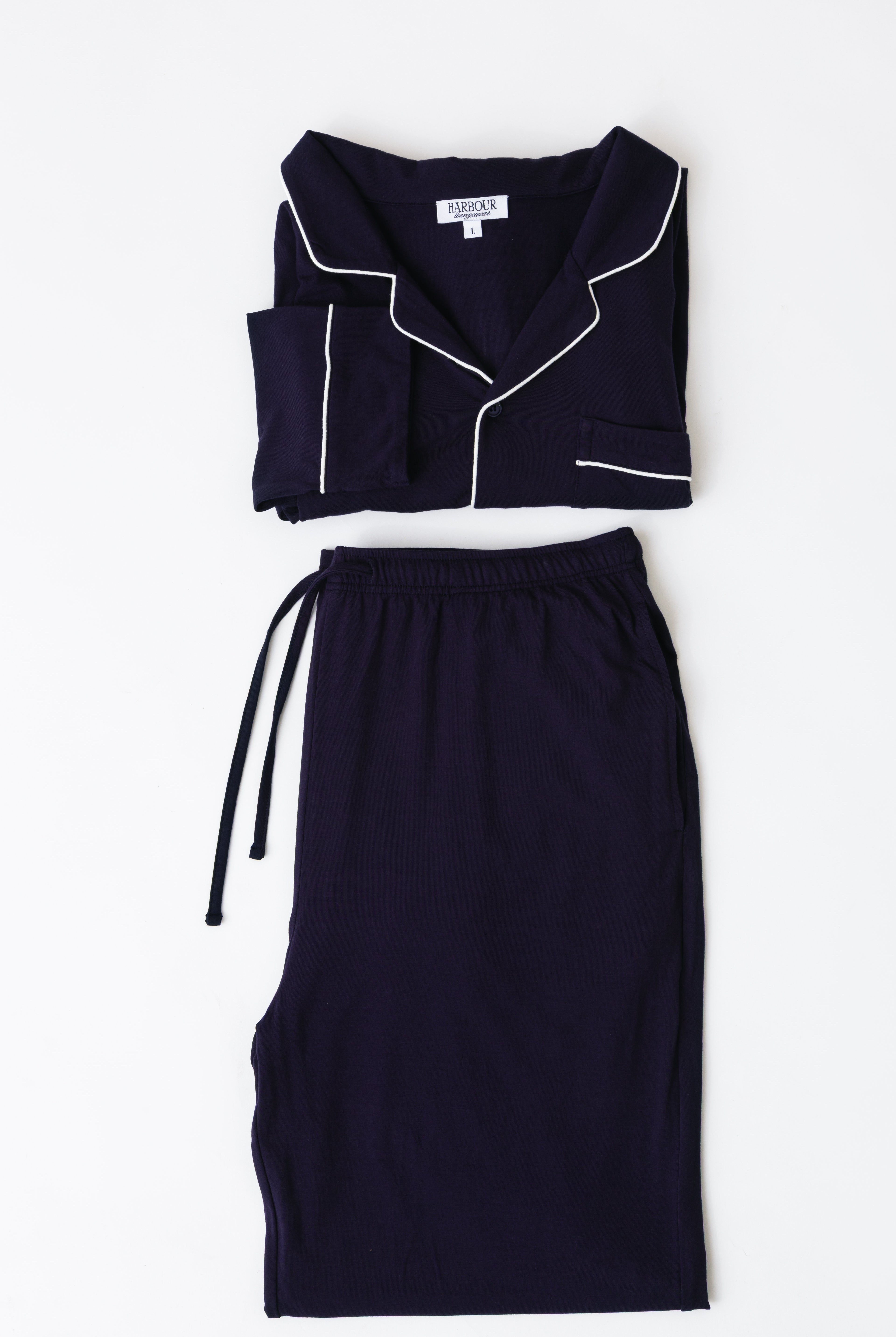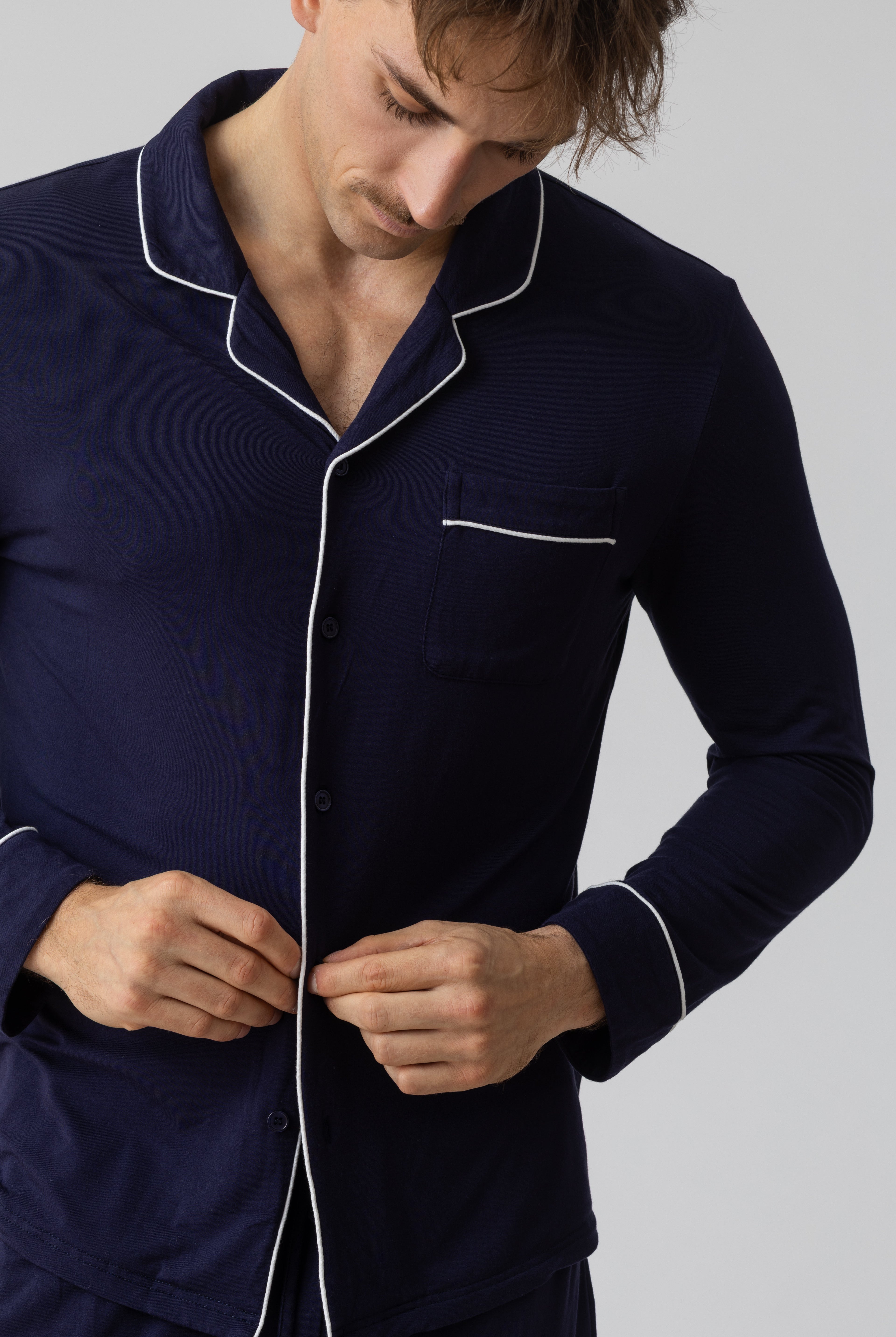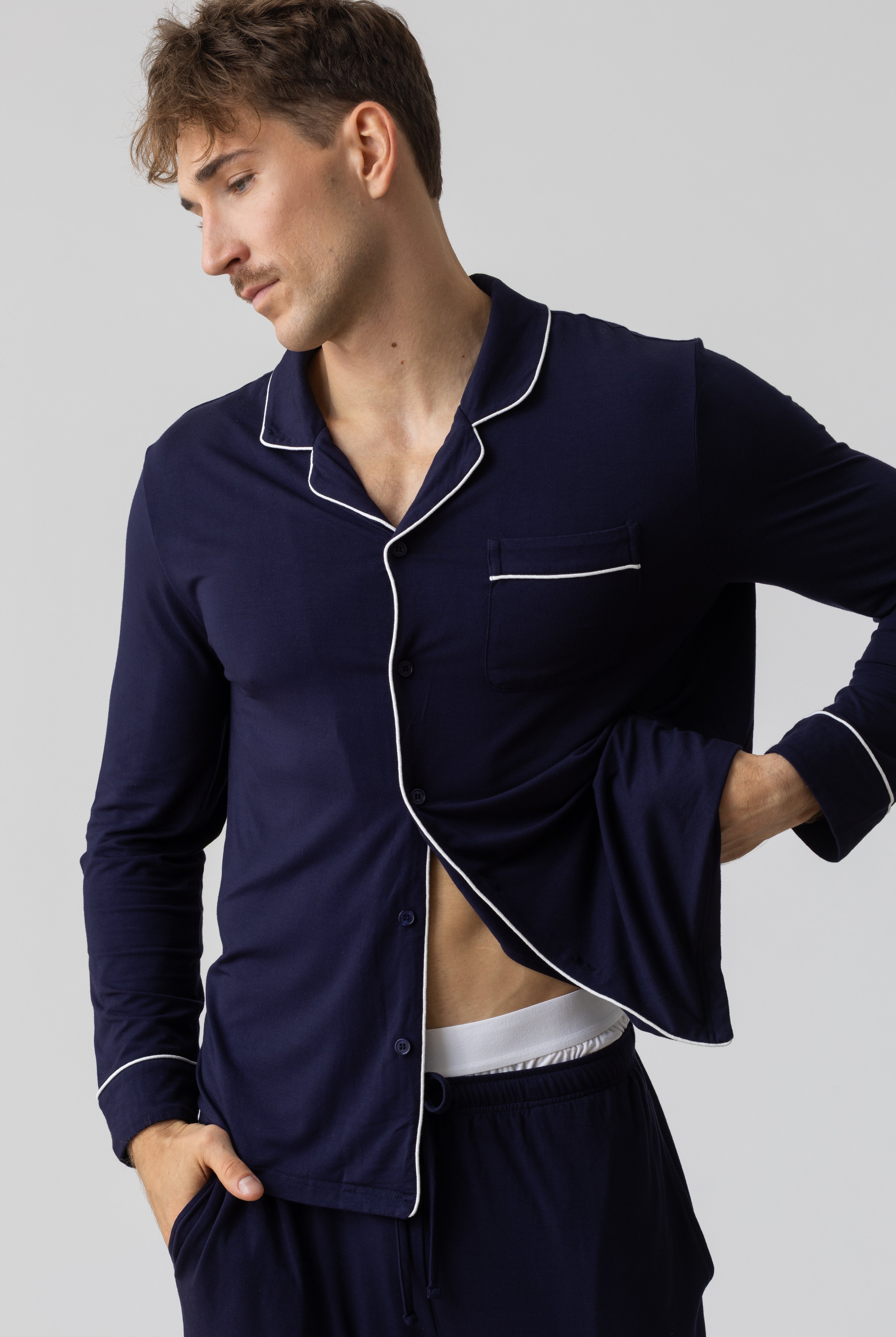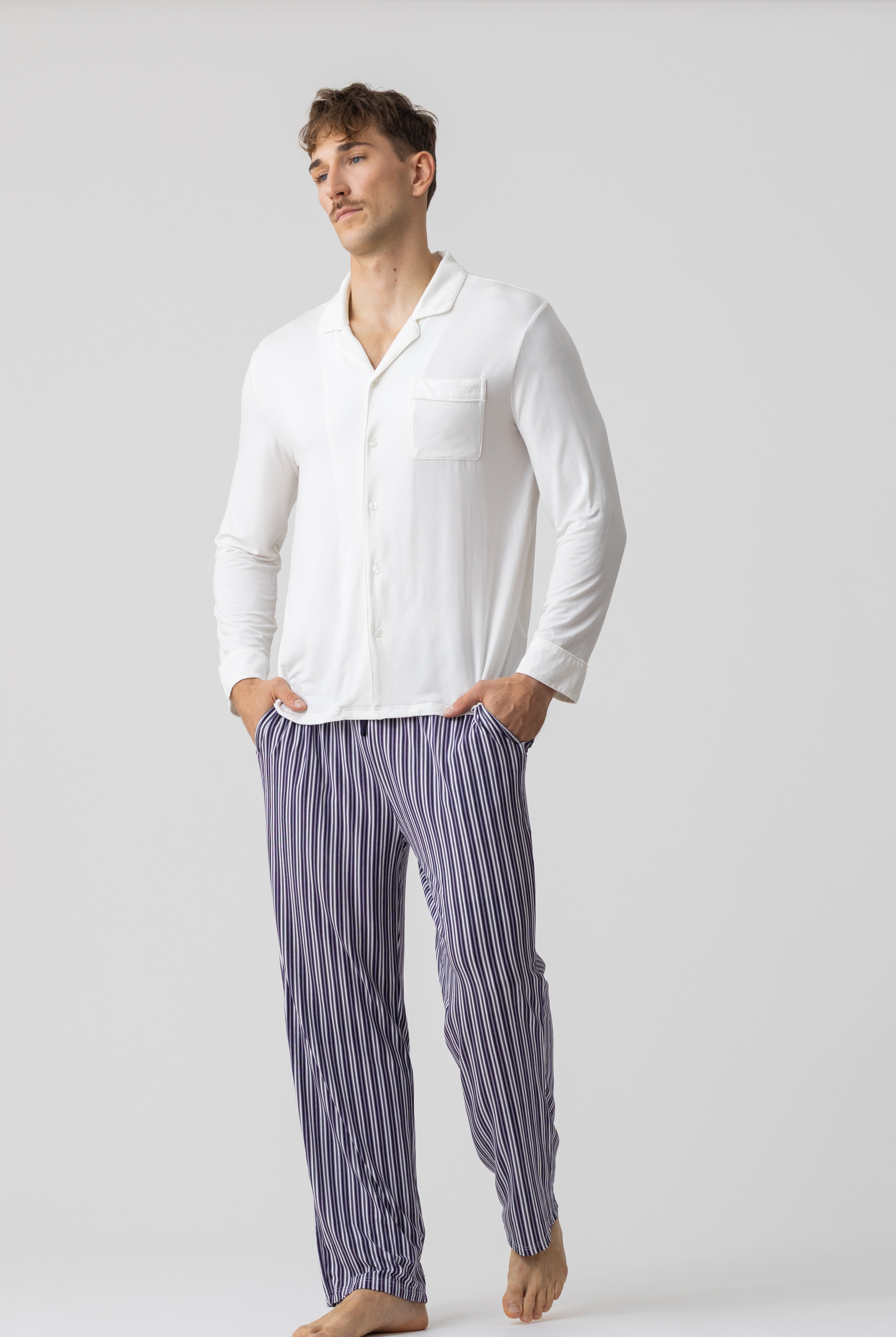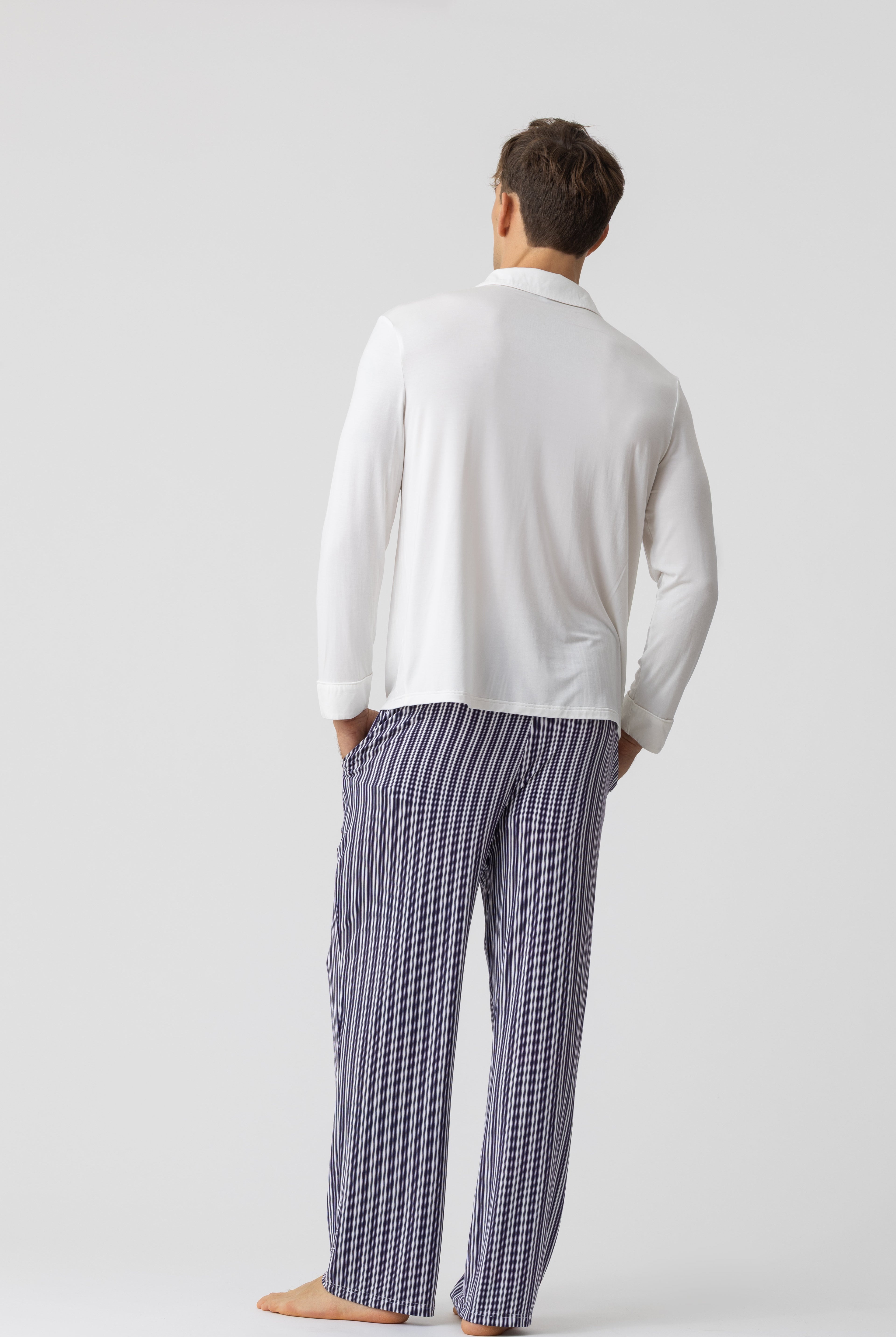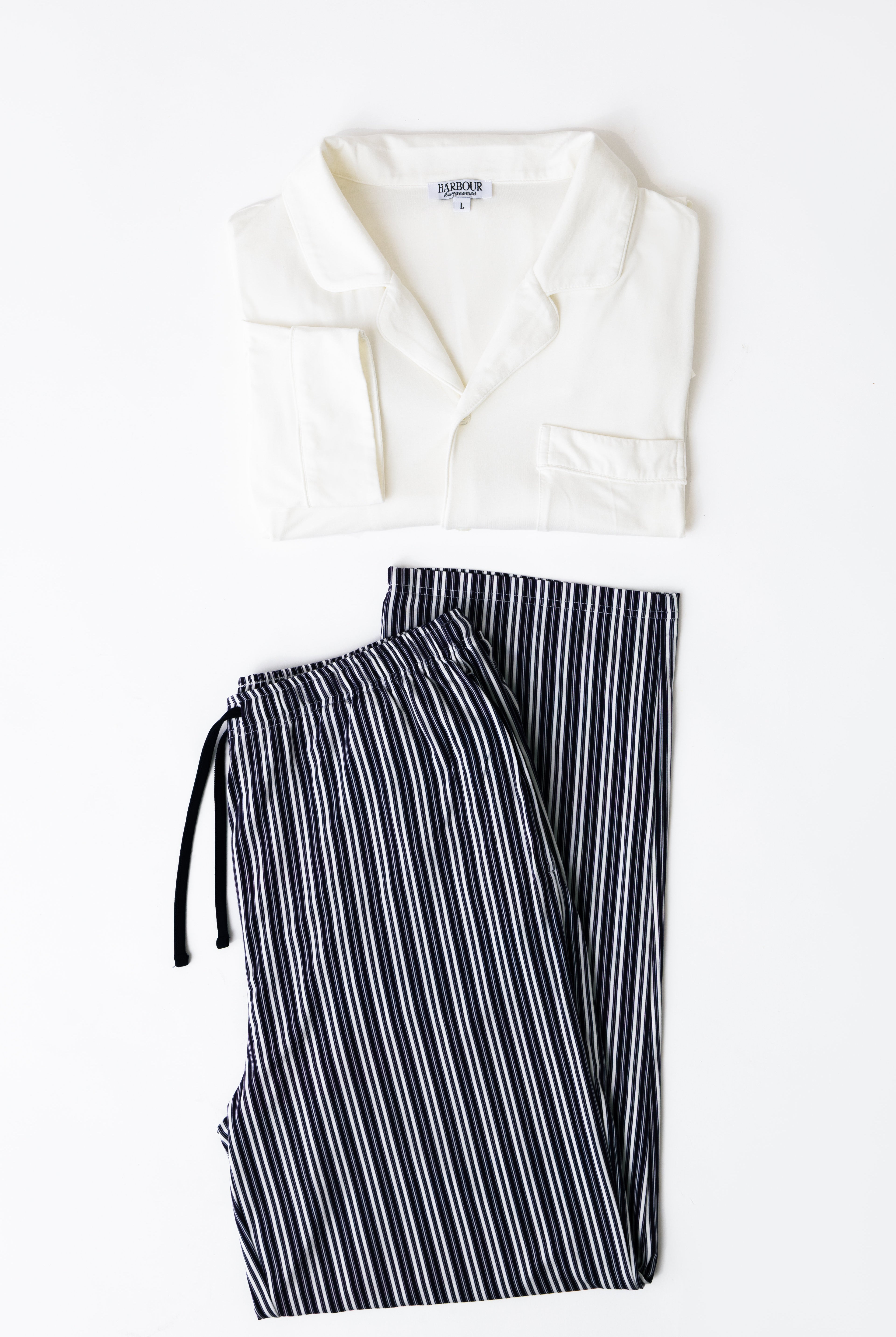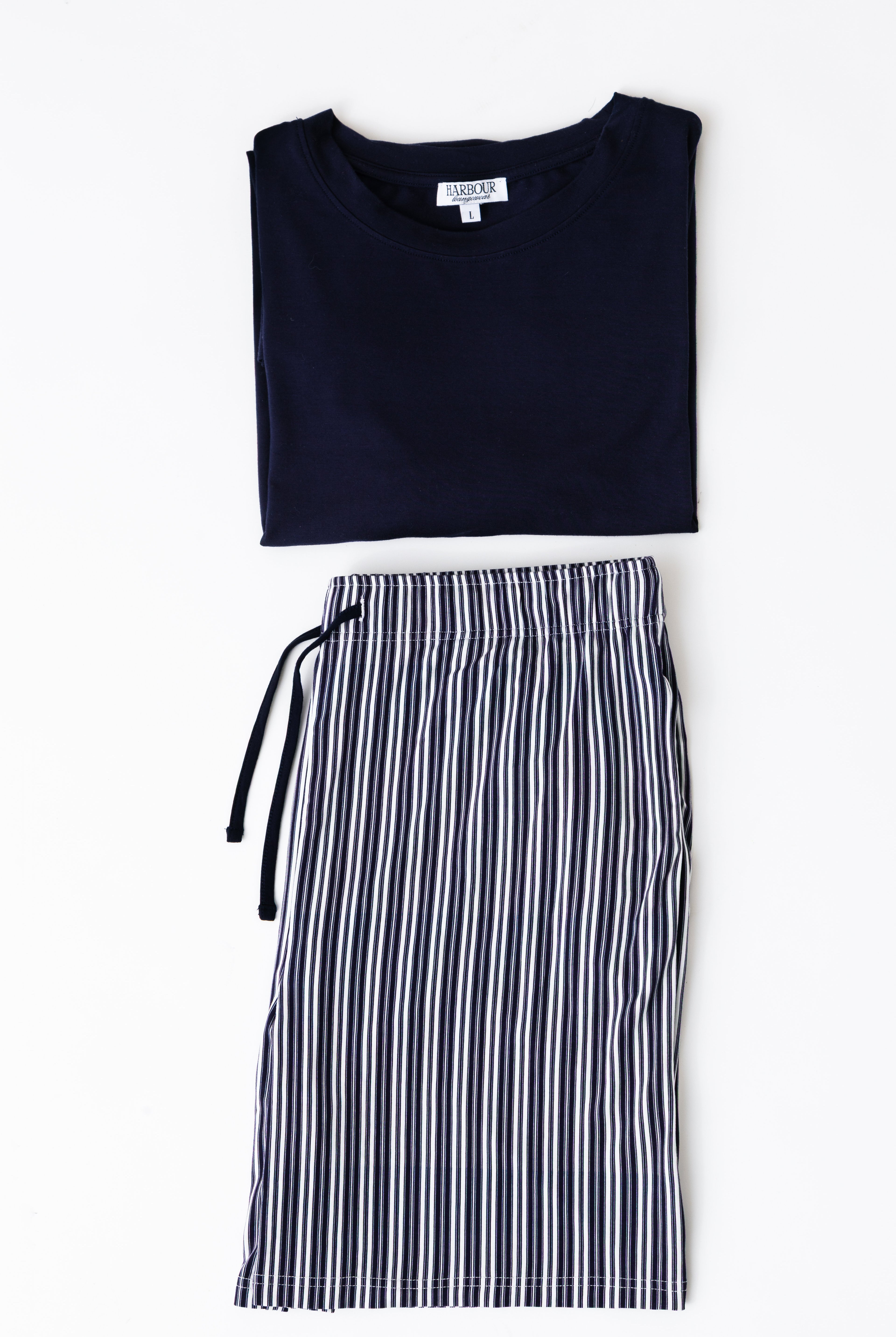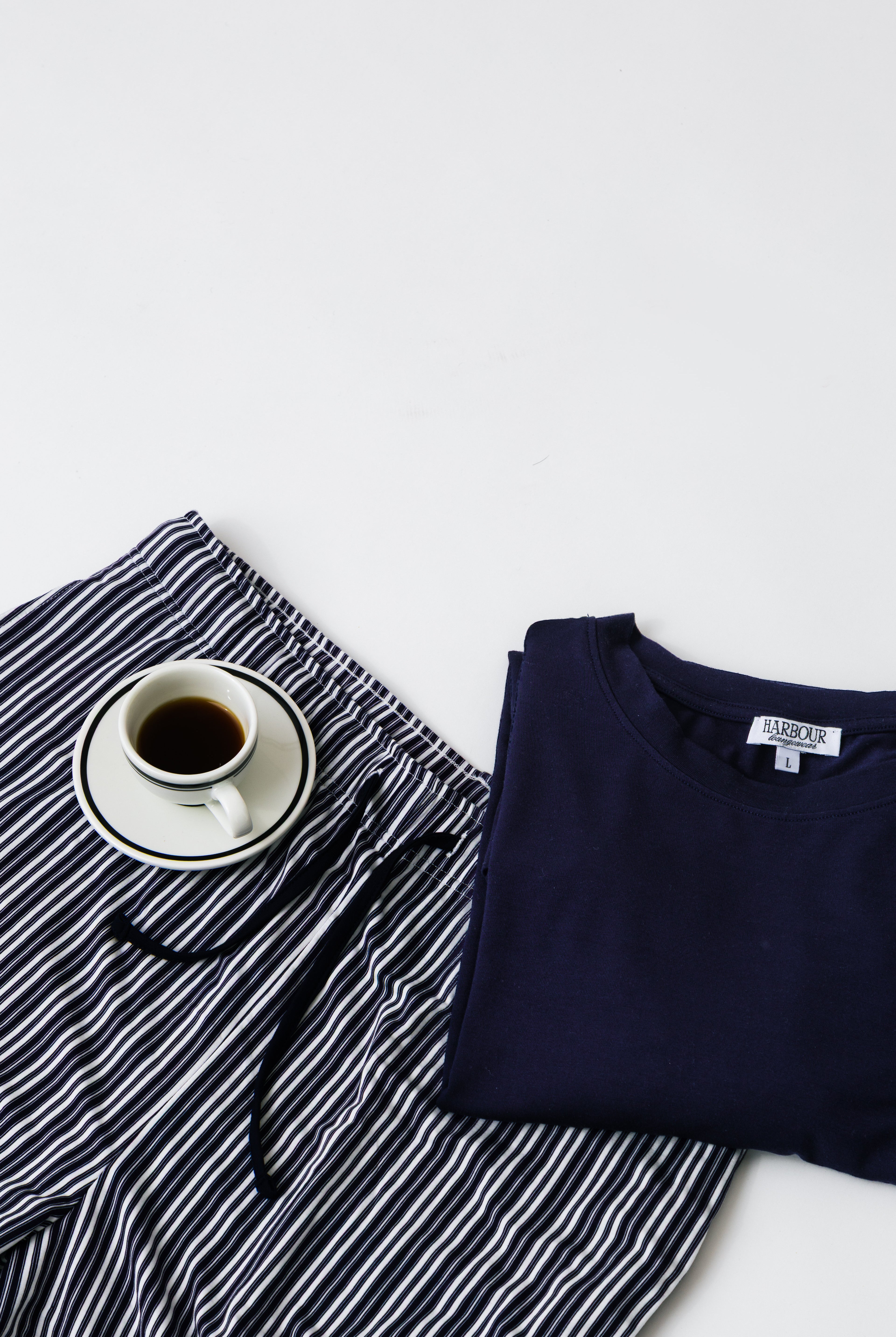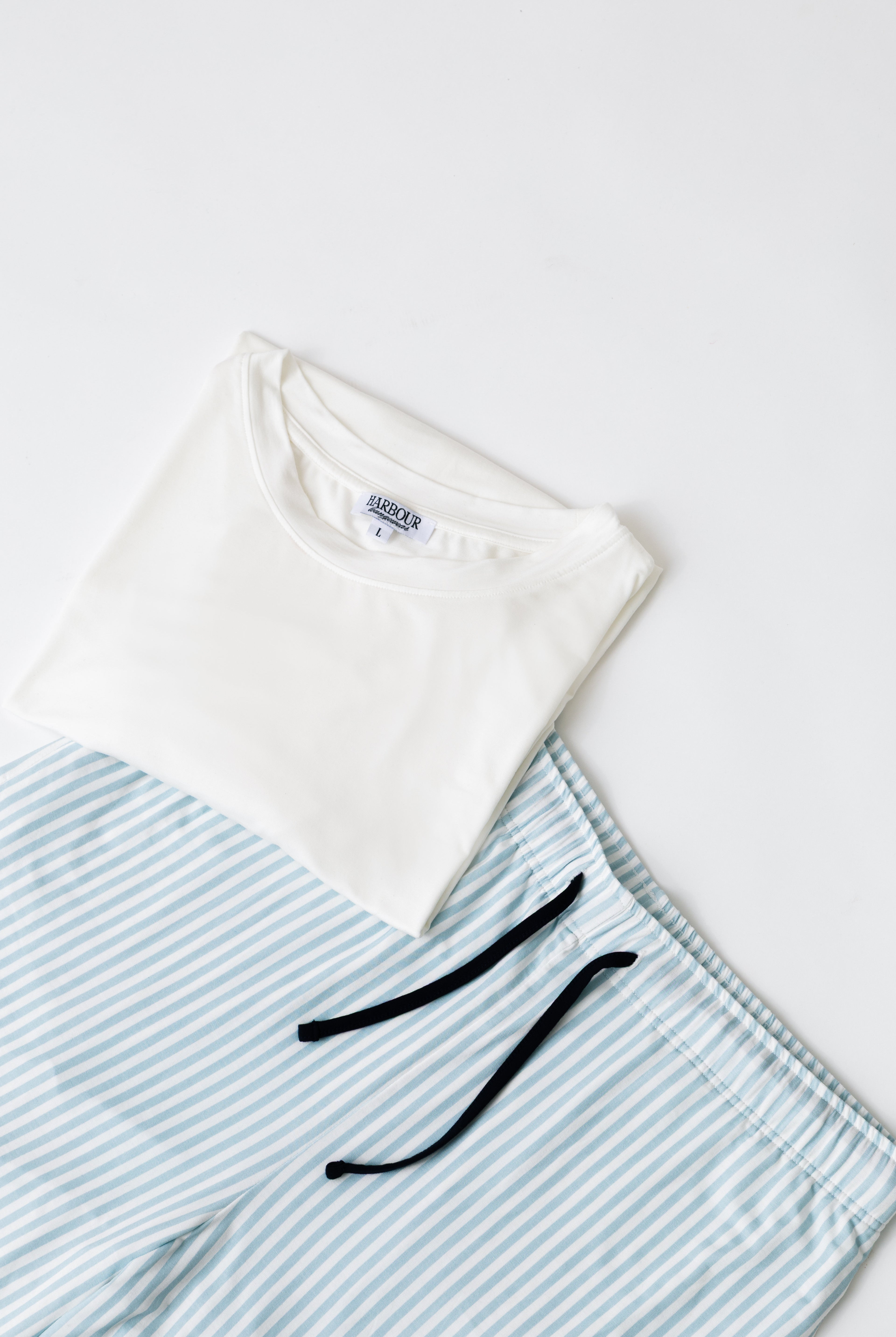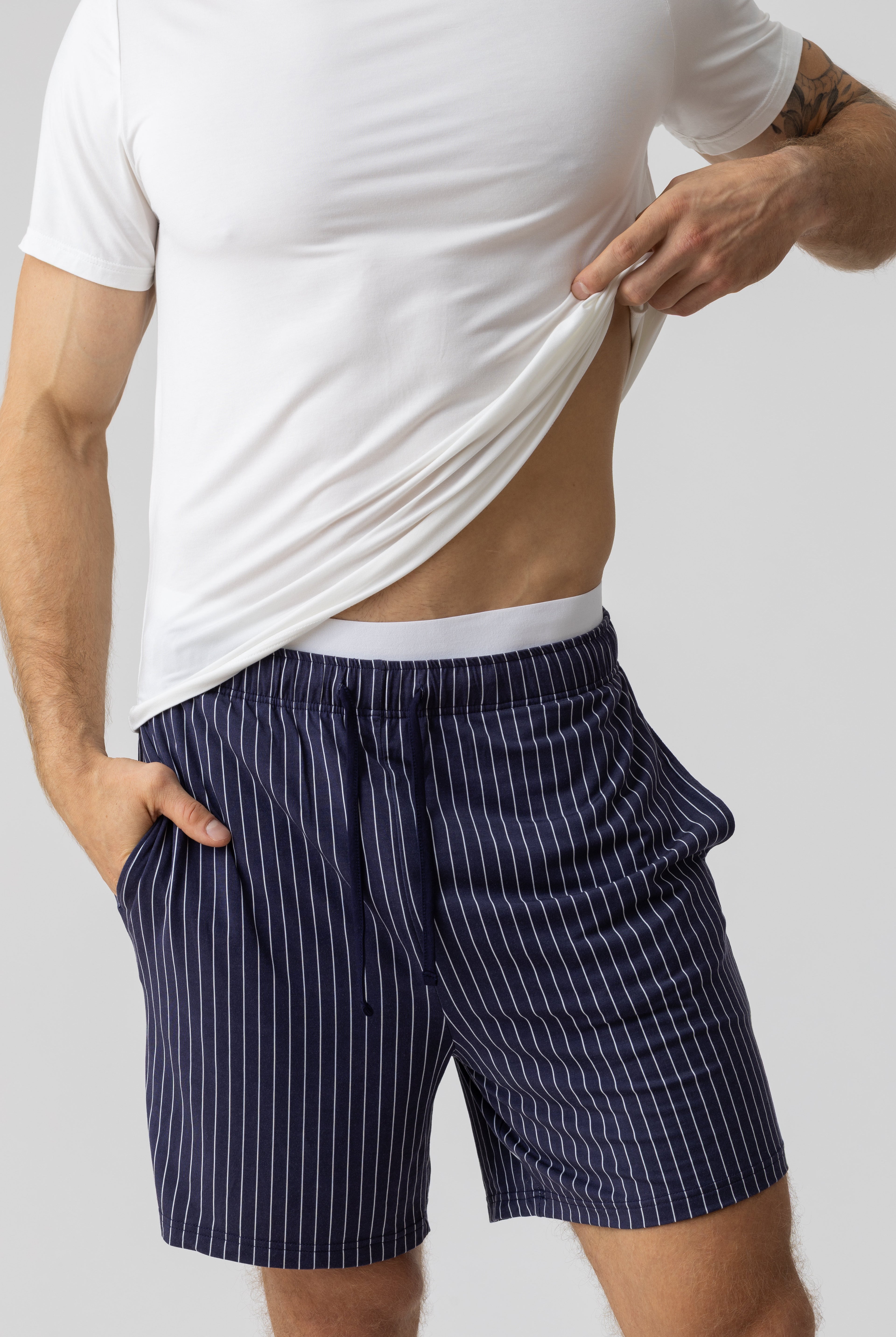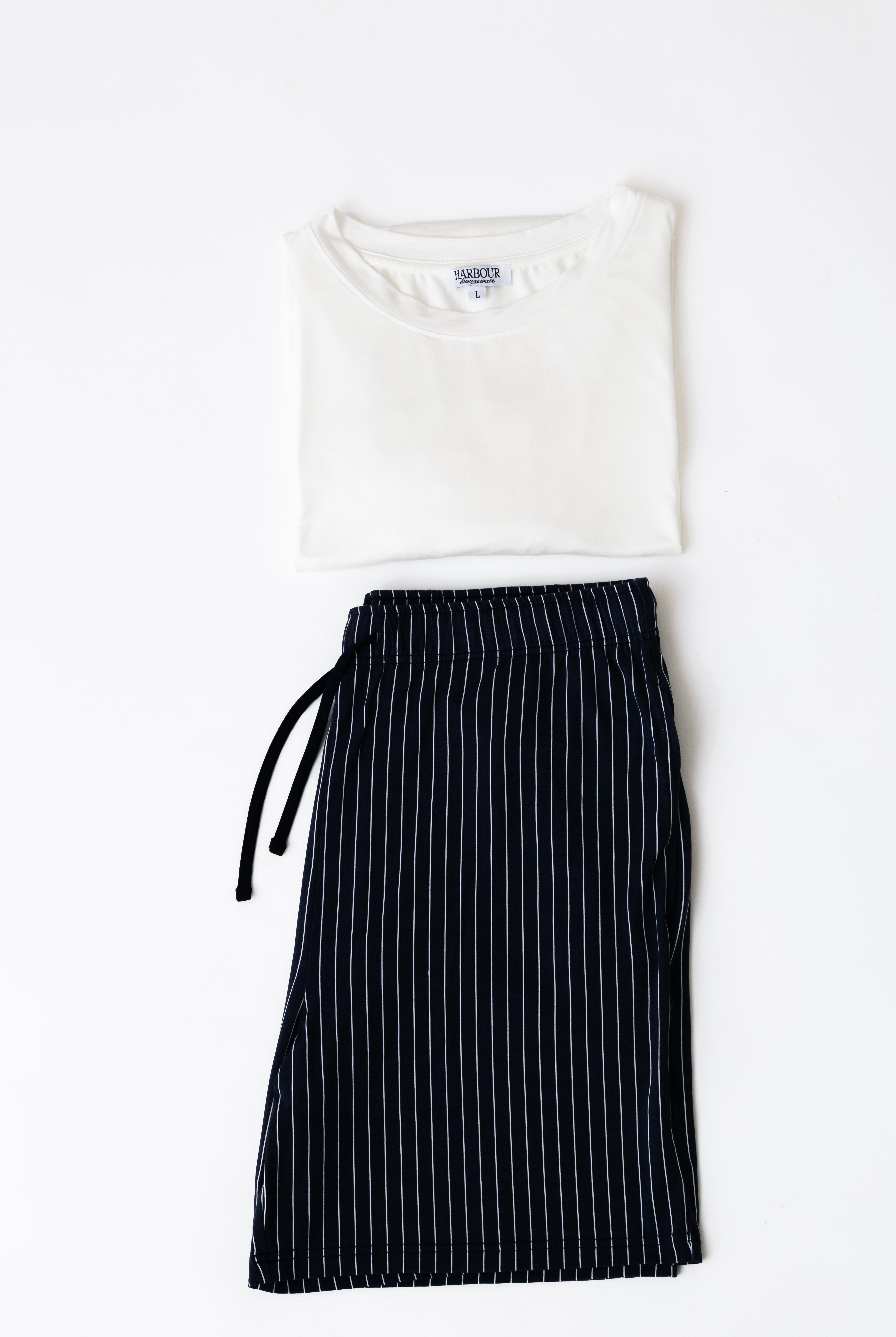
Choosing the right fabric for sleepwear has a much bigger impact than most people realize. The material your pajamas are made from directly affects sleep comfort, temperature regulation, breathability, and how your skin feels throughout the night.

Two of the most commonly compared options are modal and cotton. Both are popular, widely used in sleepwear, and feel natural against the skin - yet they perform very differently in practice.

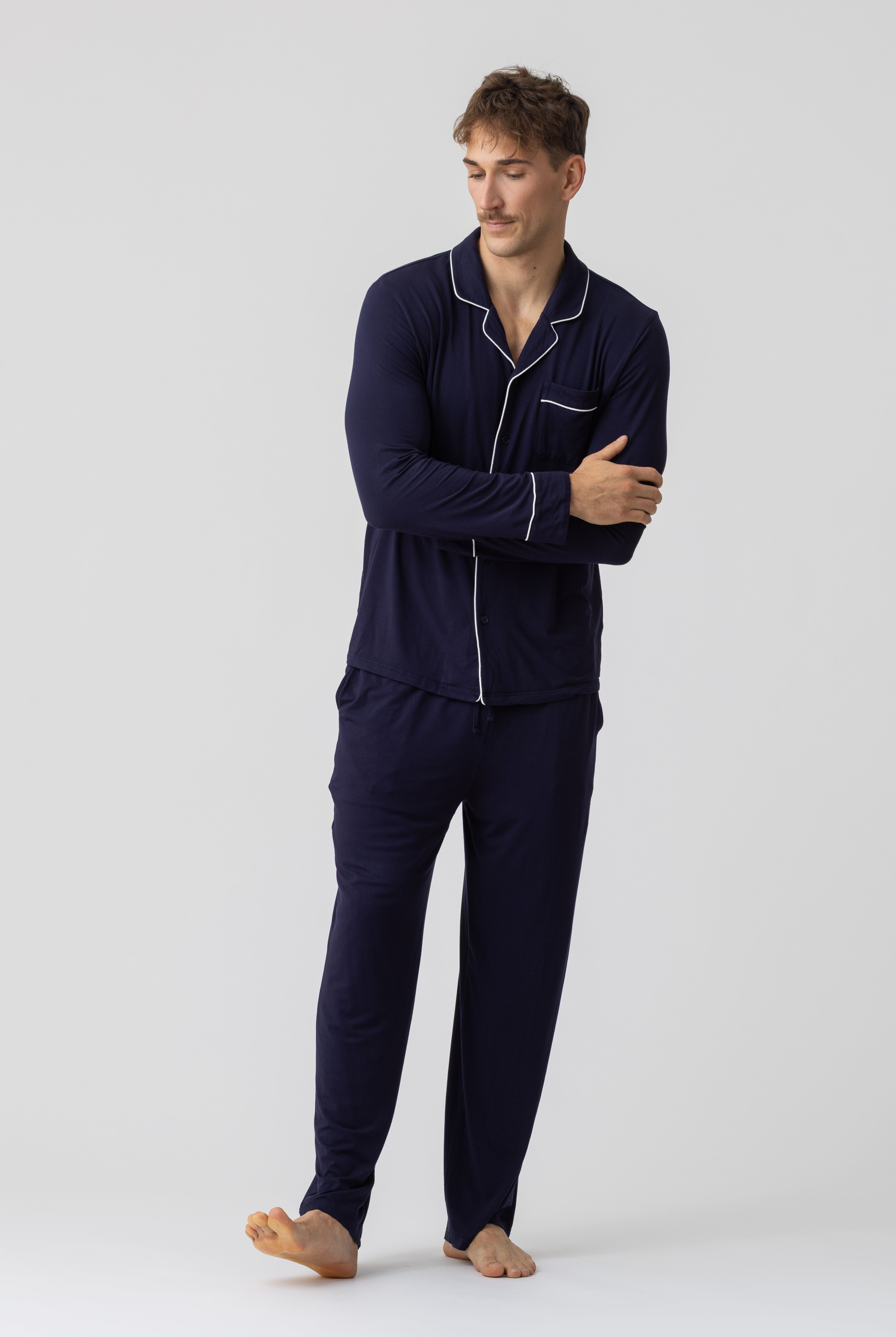
In this article, we compare modal vs cotton to help you decide which fabric is better for sleeping, especially if you’re looking for premium men’s pajamas designed for everyday comfort.

What’s the difference between modal and cotton?

COTTON - THE TRADITIONAL CHOICE

Cotton is a natural plant-based fiber that has been used in sleepwear for decades. It is breathable, easy to care for, generally durable.

However, in standard qualities cotton can feel slightly rough against the skin, stiff after washing as well as less flexible and less adaptive to movement.

Modal – a modern alternative

Modal is a regenerated cellulose fiber made from wood pulp, most commonly beechwood. In its TENCEL™ Modal form, it is produced according to clearly defined quality and responsibility standards.

Modal is known for being:

  • exceptionally soft and smooth,
  • fluid and comfortable on the body,
  • highly effective at regulating moisture and temperature.

If you’d like to explore the material in more detail, read our TENCEL™ Modal guide to learn what sets TENCEL™ Modal apart from generic modal.

Modal vs cotton – key differences that matter for sleep

1. Comfort and feel on the skin

  • Cotton: natural, but often thicker and less smooth.
  • Modal: ultra-soft, silky to the touch, often described as a “second skin.”

For sleep comfort, modal clearly has the advantage, especially for sensitive skin.

2. Breathability and temperature regulation

  • Cotton: breathable, but can trap moisture during the night.
  • Modal: allows better airflow and manages moisture more effectively, reducing overheating.

Modal performs better year-round, in both warm and cooler conditions.

3. Stretch and freedom of movement

  • Cotton: limited elasticity and may feel restrictive.
  • Modal (especially with elastane): gently stretches and moves with the body without losing shape.

This makes a noticeable difference in button-down pajama sets and long-sleeve designs.

4. Aesthetics and drape 

  • Cotton: tends to look more casual and relaxed.
  • Modal: drapes beautifully, looks refined, and feels more elegant.

This makes modal ideal for sleepwear that doubles as elevated homewear.

Conclusion: modal vs cotton

If your priority is better sleep, superior comfort, and a refined look, modal outperforms cotton in most key areas.

That’s why pajamas made from TENCEL™ Modal are a defining choice for brands that prioritize premium sleep comfort.

FAQ – frequently asked questions

Is modal better than cotton for sleep?

For most people, yes. Modal is softer, more breathable, and more comfortable throughout the night.

Is modal suitable for winter?

Yes. Modal naturally regulates temperature, making it ideal for year-round wear.
Is modal a natural fabric?

Modal is a cellulose-based fiber derived from wood, processed through a regeneration method.